5 Engaging Preschool Learning Activities to Enhance Your Child’s Skills
As parents, the preschool years of your child are incredibly exciting as you watch them grow and marvel at their developments. It’s during these formative years that children are incredibly receptive to learning. That’s why incorporating engaging learning activities can significantly influence their cognitive, social, and physical skills. Here are five engaging preschool learning activities that are not only fun but will substantially enhance your child’s developmental skills.
1. Storytelling Sessions
Why Storytelling?
Storytelling is a powerful tool for preschoolers. It cultivates their imagination, enhances their language skills, and improves their listening abilities.
How to Implement?
- Choose Interactive Stories: Select books that are colorful and have repeatable phrases. Encourage your child to participate by guessing what will happen next or by repeating phrases after you.
- Use Voices and Props: Be animated. Change your voice for different characters and use props to make the storytelling dynamic and engaging.
- Ask Questions: After each session, ask questions about the story. This helps with comprehension and critical thinking skills.
Storytelling doesn’t have to be confined to books. Encourage your child to tell their own stories. This enhances creativity and gives them a sense of confidence.
2. Fun with Numbers
Why Teach Numbers?
Early math skills are foundational for later academic success. Engaging children with numbers early on helps in developing their ability to reason, problem-solve, and understand complex concepts later in life.
How to Implement?
- Count Everything: Use everyday opportunities to count—steps, toys, trees, cars.
- Play Number Games: Incorporate board games like ‘Snakes and Ladders,’ which involve counting moves, or simple card games like ‘Uno.’
- Number Crafts: Create crafts involving numbers. For example, making a paper pizza and counting the number of toppings.
The goal is to make numbers fun and part of everyday life, so kids learn without feeling pressured.
3. Exploration Through Sensory Bins
Why Sensory Bins?
Sensory bins allow children to explore, dig, and discover, facilitating tactile learning and fine motor development.
How to Implement?
- Create Themed Bins: Fill a container with items like sand, water, rice, or beans. Add items relevant to what you’re studying—dinosaurs, space shuttles, or farm animals.
- Encourage Free Play: Let your child explore the bin without too much direction. Ask open-ended questions like, “What happens when you squeeze the sponge?”
- Rotate Materials Regularly: Keep the sensory bin exciting by changing the materials every few weeks to maintain curiosity.
Sensory play supports language development, cognitive growth, motor skills, problem-solving skills, and social interaction.
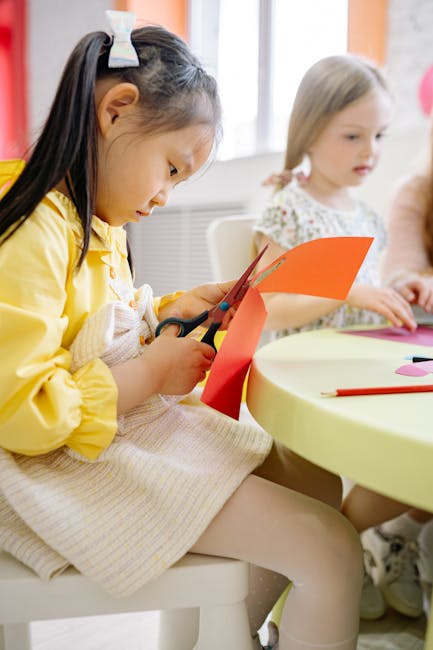
4. Art and Craft Magic
Why Art and Craft?
Artistic activities foster fine motor skills, encourage neural connections, and provide an outlet for expression.
How to Implement?
- Easy Projects: Start with simple projects like crayon coloring, finger painting, or stringing beads.
- Explore Materials: Use a variety of materials—clay, dough, paper, and fabric. This keeps the activity stimulating and creatively challenging.
- Display Their Art: Show that their work is valued by displaying it at home. This boosts their confidence and encourages creativity.
Crafts also help children follow directions and use imagination actively, both crucial for their academic and personal growth.
5. Music and Movement
Why Music and Movement?
Integrating music and physical movement can help refine your preschooler’s motor skills, improve balance, coordination, and also develop a sense of rhythm.
How to Implement?
- Daily Dance Time: Allocate a specific time daily for music and encourage your child to dance freely.
- Instruments Play: Introduce simple musical instruments like tambourines, maracas, or make your own with items at home.
- Sing-Along Sessions: Have interactive sing-along sessions that are enjoyable and a learning process too.
Music stimulates parts of the brain associated with academic achievement and emotional development.
Conclusion
Each of these activities offers unique benefits and promotes vital skills in preschoolers. The key is to make learning seamless through play. Experiment with these engaging preschool learning activities to enhance your child’s skills and importantly, do not shy away from being a part of their learning journey. Your involvement is reassuring and motivates them to explore and learn with confidence. Remember, the goal is to make learning enjoyable and impactful – setting the foundation for a lifelong love of learning.