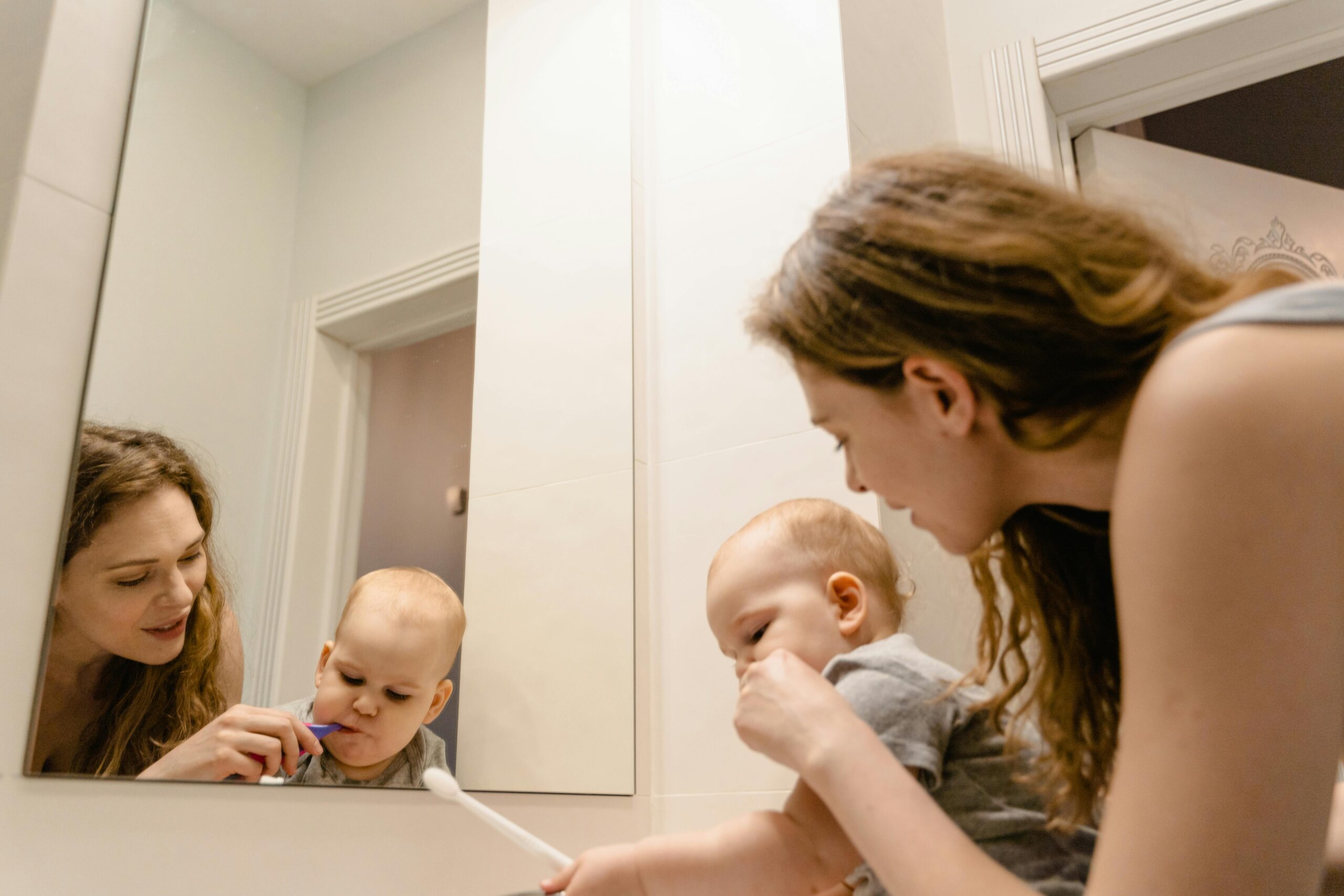
7 Effective Parenting Techniques Every Parent Should Know
Parenting is an adventurous journey filled with love, challenges, and invaluable lessons. Nevertheless, understanding the most effective ways to raise happy, healthy, and confident children can sometimes feel overwhelming. Hence, this blog post offers seven carefully selected parenting techniques to help you facilitate strong, positive relationships with your children while guiding them through the complexities of growing up.
1. Consistent Parenting
Consistency is fundamental in creating a stable environment for your children. Kids thrive when they know what to expect. This involves having regular routines, consistent rules, and predictable consequences. For instance, if bedtime is at 8 PM, sticking to this schedule sets a clear expectation, helping your child wind down for the night without fuss.
Actionable Tip: Create a chart of daily routines and rules. Discuss these with your child to ensure they understand and agree. Consistency in following through will reinforce these habits and decrease resistance over time.
2. Active Listening
Communicating effectively with your children involves more listening than talking. Active listening entails giving your full attention, nodding, and occasionally paraphrasing what your child says to demonstrate understanding. This not only helps you grasp their thoughts and feelings more accurately but also shows that their opinions matter.
Actionable Tip: When your child is speaking, make sure to put away any distractions like phones or laptops. Maintain eye contact and respond with interest to encourage open communication.
3. Setting Realistic Expectations
Every child is unique, and recognizing their individual strengths and limitations is crucial. Setting achievable goals that challenge them without causing undue stress is one of the more subtle yet powerful effective parenting techniques every parent should know.
Actionable Tip: Regularly assess your child’s capabilities and set expectations accordingly, be it academic achievements or household responsibilities. Celebrate small victories to keep their morale high.
4. Positive Reinforcement
Focusing on a child’s positive actions rather than negative ones can dramatically affect their behavior and self-esteem. Positive reinforcement involves praise or rewards for good behavior, promoting its recurrence.
Actionable Tip: Set up a reward system for good behaviors like completing homework on time, helping with chores, or showing kindness. This could be verbal praise, stickers, or occasional treats.
5. Teaching Emotional Regulation
Helping your child manage their emotions, especially during stressful or overwhelming situations, is vital. Teach them healthy ways to express and cope with their feelings, such as talking about them, writing them down, or doing calming activities like breathing exercises.
Actionable Tip: Create a ‘calm down’ corner in your home with items like stress balls, coloring books, or soft music. Guide your child on how to use this space whenever they feel overwhelmed.
6. Fostering Independence
While it’s tempting to do everything for your child, teaching them to handle tasks independently will boost their confidence and self-reliance. This can start with simple tasks like tying their shoes or preparing their school bag.
Actionable Tip: Gradually increase responsibilities in line with your child’s age and abilities. Allow them to make certain decisions themselves, like choosing their clothes or planning their lunch meals for school.
7. Modeling Desired Behavior
Children learn a lot through observation. Displaying the behaviors you wish to instill in your children, like patience, empathy, and diligence, is perhaps the most natural way they learn.
Actionable Tip: Always be mindful of your actions and words around your children. Show respect in your interactions with others, manage conflicts calmly, and stay positive, as your children are likely to emulate these behaviors.
Conclusion
Mastering these 7 effective parenting techniques ensures that every parent is equipped to provide a nurturing, supportive, and structured environment for their children. Remember, effective parenting is not about perfection but progress. By consistently applying these strategies, you can foster a relationship based on mutual respect, understanding, and unconditional love, setting the stage for your child’s successful and happy life. Start implementing these techniques today and notice the positive changes in your family dynamics. After all, the art of parenting is a continual, evolving journey that grows with both you and your child.